Sciatica is nerve pain that starts in the lower back or buttock and travels down one leg. For many people, sciatica relief begins with a clear answer about what is bothering the nerve. At HealthSource Chiropractic of Roseland, Dr. Jenna Patel, D.C., examines you first and then explains your options in plain words.
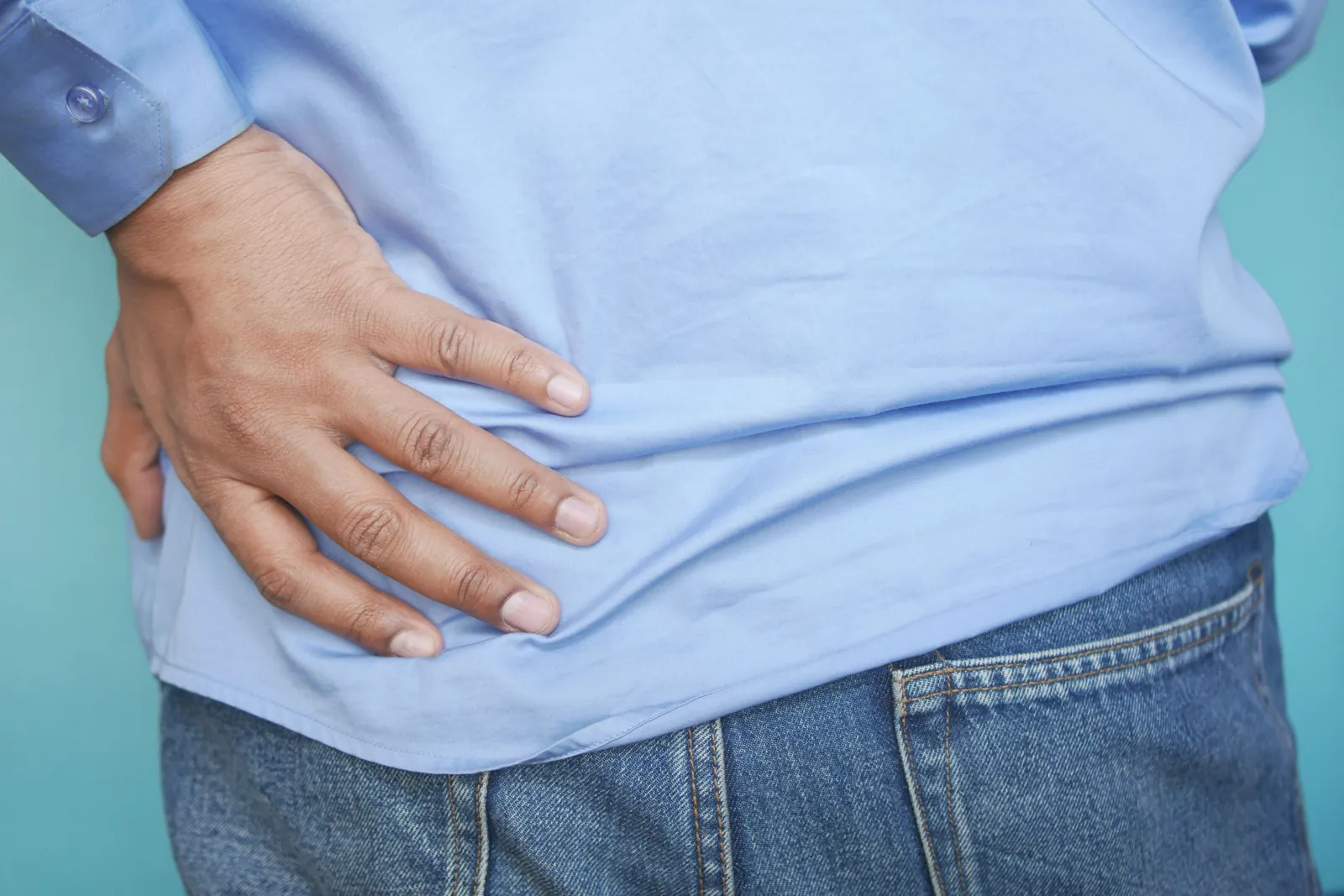
Below, we explain what sciatica is and what commonly causes it. Next, we walk through how we evaluate it and which kinds of care may help. Finally, we list the warning signs that need a medical doctor or the ER instead.
What sciatica is
Sciatica is a symptom, not a condition on its own. It comes from a problem with the sciatic nerve, the largest nerve in the body. This nerve starts in the lower back, then runs through the hip and buttock and down the back of each leg.
When something presses on or irritates the nerve, you may notice:
- Pain that spreads from the lower back into the thigh, calf or foot
- Numbness or tingling, sometimes reaching the toes
- Weakness in the leg or foot
- Symptoms on only one side of the body, which is the usual pattern
MedlinePlus, from the National Library of Medicine, has a clear overview of sciatica if you want to read more. It also notes that sciatica sometimes goes away on its own.
Common causes of sciatica
Several problems can put pressure on the sciatic nerve. Common causes include:
- A bulging or ruptured disc in the lower back
- Spinal stenosis, a narrowing of the spinal canal that crowds the nerve
- An injury, such as a hard fall or a pelvic fracture
In many cases, though, no single cause turns up. In addition, the pain may get worse after long stretches of sitting. That matters if you sit at a desk all day, as many people along Eisenhower Parkway do.
Not all leg pain is sciatica. If your pain stays in your back and does not travel, our back pain relief page may fit you better.
How Dr. Patel evaluates leg nerve pain
Every plan starts with your first visit. First, you fill out a health history form. Then you sit down with Dr. Patel to talk about your symptoms, when they started and what makes them better or worse.
Next, she does a physical exam of your posture, mobility and pain. We take X-rays on site only if they are clinically needed. After that, Dr. Patel explains her findings and a personalized care plan before any care starts. Her aim is to find the source of your pain, not only to ease the symptoms.
The right path to sciatica relief depends on what the exam shows. Sometimes it points to a problem that needs a medical doctor. In that case, Dr. Patel tells you so and explains why.
Care options for sciatica relief
Care depends on the cause, so no two plans look exactly alike. Based on your exam, Dr. Patel may suggest one or more of these options:
- Hands-on adjustments to the lower back and pelvis, which may help these joints move more freely
- Spinal decompression, which uses a special table to stretch the spine slowly and may ease pressure on the discs
- Exercise rehab, with stretches and strengthening moves chosen for your exam findings
- Soft tissue work on tight muscles around the hip, buttock and thigh
Decompression is not right for everyone, so Dr. Patel reviews your health history before she suggests it. You are always welcome to ask questions before you agree to any care.
The goal of sciatica relief care is to ease pressure on the nerve and help you move with more comfort. However, results vary from person to person. For that reason, we never promise a result. Instead, we check how you are doing along the way and talk about other options if care does not seem to help.
Many people looking for sciatica relief also ask about home care. In general, staying gently active tends to help more than long bed rest. Dr. Patel can show you better ways to sit, stand and lift. For more ideas, MedlinePlus lists simple sciatica self-care steps, such as ice first and heat later.
When to go to the ER
Some symptoms need emergency care, not a chiropractor. Go to the ER or call 911 right away if you have:
- Loss of bladder or bowel control, or new trouble passing urine
- Numbness in the groin, buttocks or inner thighs, often called saddle numbness
- Leg weakness that gets worse, or a foot that starts to drag
- Severe pain after a serious fall or car crash
Also see a medical doctor first if your pain comes with a fever or weight loss you cannot explain. This page is for education only and is not a diagnosis.
Getting started with sciatica relief in Roseland
We accept most major insurance plans, and we ask that you call us to verify yours. We also offer financing through Cherry and CareCredit, plus the APEX discount plan.
Ask about our new-patient visit: consultation, exam and X-rays if clinically needed. The offer is for new patients only. It does not apply to Medicare, Medicaid, other federal healthcare program patients or ACN members.
Our office is at 12 Eisenhower Parkway, Suite 1, in the Downtowne At Roseland complex. You can book online or call (973) 200-2424. Dr. Patel speaks English, Hindi and Gujarati, so you can talk through your concerns in any of the three.