Hip and knee pain can turn everyday steps into hard work, from climbing stairs to getting out of the car. At HealthSource Chiropractic of Roseland, Dr. Jenna Patel, D.C., looks for the source of the problem, not only the sore spot. Your hips, knees and feet work as a team, so trouble in one place often shows up in another.
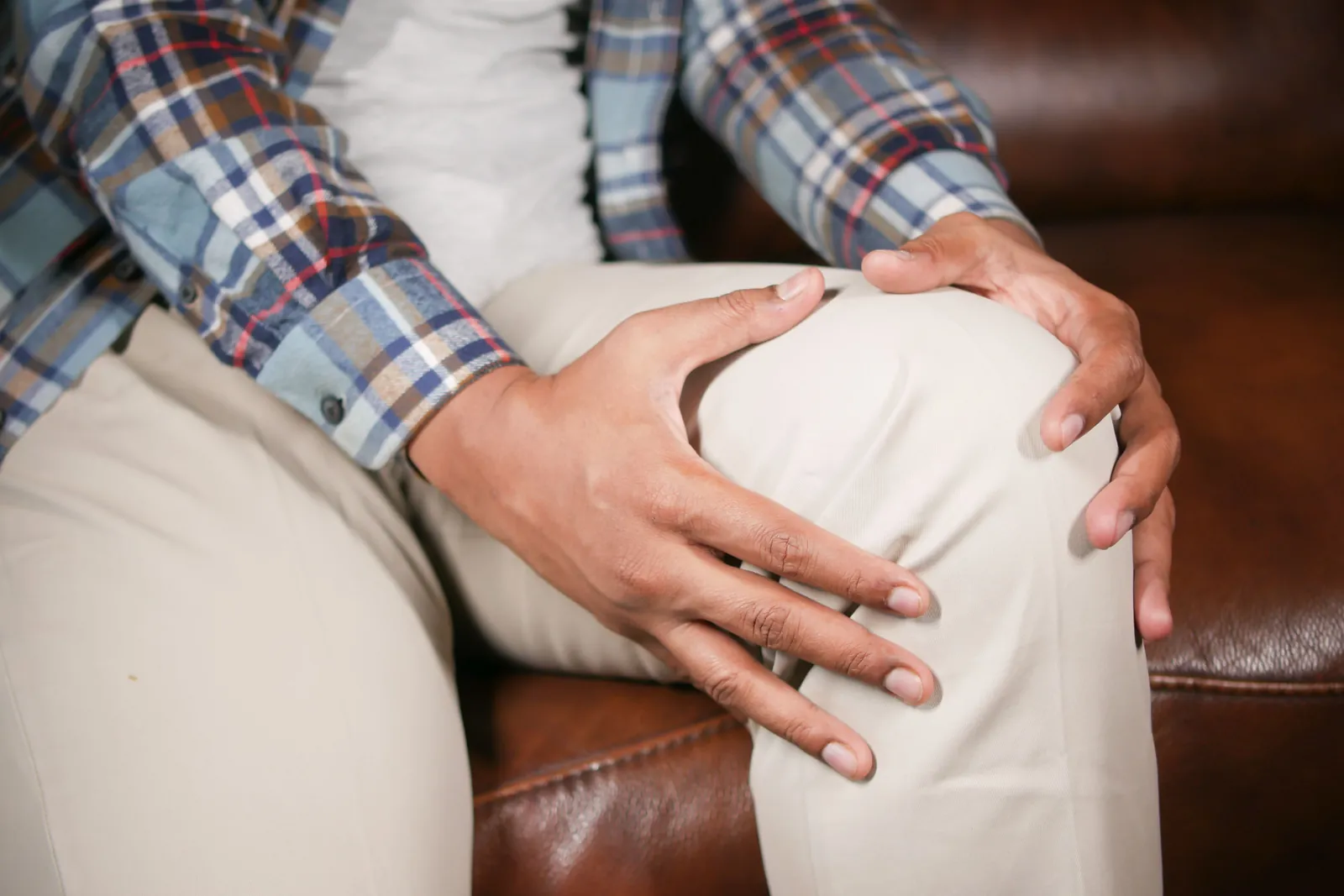
What causes hip and knee pain?
Many people notice stiffness first. Your joints may feel tight in the morning or after a long meeting, then loosen as you move. Arthritis is a common reason for this kind of ache. In fact, worn joint surfaces can leave a hip or knee sore after a long walk or a full day on your feet. MedlinePlus explains osteoarthritis in plain language.
Overuse plays a part too. For example, running, hiking, pickleball or a new gym routine can load the same tissues again and again. When muscles tire, the joint takes more of the strain. Long days at a desk also matter, because sitting keeps your hips bent for hours. As a result, the muscles around them may grow tight and weak, and hip and knee pain can follow. If a sport set off your pain, our page on sports injury treatment goes into more detail.
How your hips, knees and feet affect each other
Your knee sits between two bigger players: the hip above and the foot below. If the muscles on the side of your hip are weak, your knee may drift inward when you step or squat. Likewise, if your foot rolls in as you walk, your lower leg can twist and change how the knee moves. Over time, these small shifts may add stress to the joint.
That is why we look at the whole leg, not only the spot that hurts. If your feet are part of the picture, our page on foot and ankle pain explains more.
How Dr. Patel evaluates hip and knee pain
Every case is different, so Dr. Patel evaluates you before any care starts. First, you fill out a health history questionnaire. Then you talk with Dr. Patel about when the pain began, what makes it worse and what your work and hobbies involve.
Next comes a physical exam that checks your posture, mobility and pain. Dr. Patel has extra training in movement analysis, so she watches how your hips, knees and feet move together. We take X-rays on site only if they are clinically needed. Finally, she explains her findings and a personalized care plan before any care begins.
Exercise and care options for hip and knee pain
Your plan depends on what the exam shows. Care for hip and knee pain may include one or more of these options:
- Guided Progressive Rehab® and functional exercise that aims to build strength and control around the hip and knee
- Hands-on chiropractic adjustments, where they suit your case
- Soft tissue work, including instrument-assisted techniques, for tight muscles
- Class IV laser therapy, when it fits your needs
- Kinesiology taping to support the area between visits
- Orthotic care if the way your feet move is part of the problem
- Food and lifestyle tips through our nutritional counseling, since Dr. Patel holds an M.S. in Applied Clinical Nutrition
Stronger hip and thigh muscles may help share the load that reaches your knee. Dr. Patel explains each step and why she suggests it. You can ask questions at any point, and you decide what fits your goals.
For more reading, MedlinePlus has plain guides to hip injuries and disorders and knee injuries and disorders.
Simple habits that may ease stiff joints
Small changes may also help between visits. This page is educational and is not a diagnosis, so ask Dr. Patel which tips suit you.
- Stand up and walk around often when you work at a desk.
- Wear supportive shoes on long days on your feet.
- Build up new workouts slowly instead of jumping to long runs.
- Use the handrail on stairs when your knee feels sore.
When to see a medical doctor or go to the ER
Some symptoms need prompt medical care, not a chiropractor. Get emergency care if a joint turns hot, red and swollen, especially with a fever, because this can be a sign of infection. Go to the ER as well if you cannot bear weight on your leg after a fall or injury.
Also seek urgent care for any of these:
- A hip or knee that looks out of place after an injury
- Sudden swelling, warmth or pain in the calf, which can signal a blood clot
- Numbness or weakness in the leg that keeps getting worse
See a medical doctor, too, if your pain wakes you at night or comes with weight loss you cannot explain. If your exam points to a problem outside chiropractic care, we will tell you.
Book a hip or knee visit in Roseland
You can book online or call (973) 200-2424. Ask about our new-patient visit: consultation, exam and X-rays if clinically needed. The offer is for new patients only and does not apply to Medicare, Medicaid, other federal healthcare program patients or ACN members. Our office is at 12 Eisenhower Parkway, Suite 1, in Roseland.