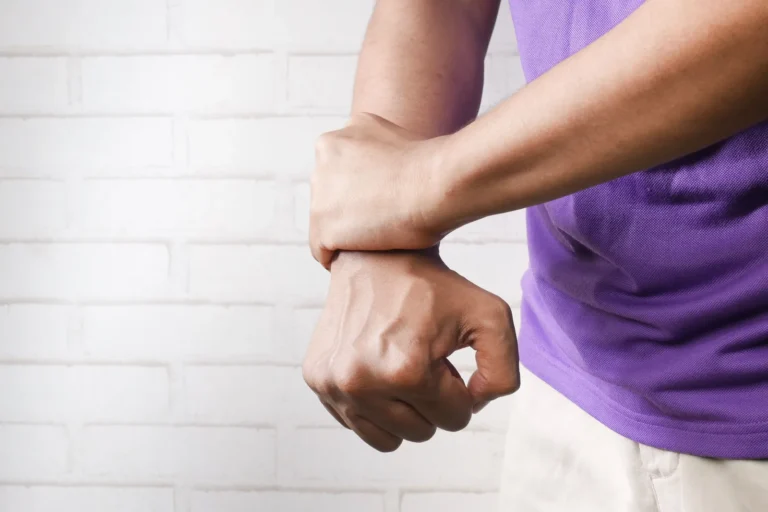
Rhomboid pain is an ache, tightness or knot between your spine and the inner edge of a shoulder blade. Upper back pain usually starts in the back itself, and a strained or overworked muscle is a common reason. For example, long desk days, heavy carrying or a new workout can all set it off. Gentle movement, heat or ice, posture breaks and easy stretches may help it settle, and many cases ease with rest. However, pain in this spot is not always a muscle problem. If it comes with chest pain, shortness of breath or a cold sweat, call 911 right away. Below, we cover causes, stretches, warning signs and how Dr. Jenna Patel, D.C. looks for the source.
Where are the rhomboid muscles?
Your rhomboid muscles sit in your upper back. Cleveland Clinic’s guide to back muscles explains that they connect your shoulder blades to your spine. They belong to the outer layer of back muscles that help you move your shoulders. In addition, back muscles keep you steady and hold your posture, even while you sit still. So when you reach, pull, carry groceries or type for hours, these muscles stay busy. Because back muscles do so much work, they are some of the most commonly injured muscles in the body.
What rhomboid pain feels like
You usually feel rhomboid pain in the strip between your spine and the inner edge of one shoulder blade. Cleveland Clinic lists these common signs of a back muscle injury:
- Muscle pain, from a dull ache to a sharp twinge
- Tightness or stiffness
- Spasms
- Weakness
- Swelling or bruising
Upper back pain can also burn, throb, spread or tingle like pins and needles. Tingling, numbness or pain that runs down an arm deserves a closer look, since a nerve may be involved. Cleveland Clinic also suggests keeping notes on where it hurts, when it starts and what eases it, since those details help a provider.
Common causes of rhomboid pain
A strained muscle usually traces back to overuse or a lift done the wrong way, according to Cleveland Clinic. Common triggers for this area include:
- Long hours at a desk, laptop or phone. Repetitive strain injuries can affect office workers as well as people in physical jobs.
- Lifting or carrying the wrong way, such as hauling a heavy bag on one shoulder.
- Pulling, reaching or repeated arm motions, like rowing, swimming, painting a ceiling or raking leaves.
- Ramping up a workout too fast, which Cleveland Clinic advises against.
If you work in one of the offices along Eisenhower Parkway, the desk version may sound familiar, with shoulders that drift forward over the keyboard as the day goes on.
Could it be something other than a muscle?
Not every ache that feels like rhomboid pain comes from the muscle. Cleveland Clinic’s overview of upper back pain lists several other causes:
- Pinched nerves, which may bring tingling or numbness. Our guide to a pinched nerve in the neck walks through the signs.
- Herniated discs. If a disc problem is part of your history, our post on decompression for herniated disc pain explains one option and who should skip it.
- Joint and bone conditions, such as osteoarthritis, osteoporosis, scoliosis or a rib injury.
- Organs that send pain to the back. For example, a spasm in the esophagus can feel like a twisting pain right between the shoulder blades. Heart, lung, gallbladder and spleen problems can show up here too.
Pain from an organ often starts without an injury you can tie it to, Cleveland Clinic notes. So if your upper back hurts for no clear reason, get it checked instead of just stretching.
Gentle stretches for rhomboid pain
If your rhomboid pain fits a simple muscle strain and you have none of the red flags below, gentle stretches may ease tightness and help you keep moving. Slow and easy is the rule. Strength and flexibility both matter for your back, so think of these moves as a start, not a whole plan.
- Self hug: Cross your arms and rest each hand on the opposite shoulder. Let your upper back round and your chin dip a little. Hold for a few slow breaths, then relax.
- Cross body reach: Bring one arm straight across your chest. With your other hand, draw it gently closer at the elbow. Switch sides after a few breaths.
- Forward reach: Sit tall and clasp your hands in front of you at chest height. Push your hands away until your shoulder blades spread apart.
- Shoulder rolls: Lift your shoulders toward your ears, then roll them back and down. Repeat slowly five or six times.
- Shoulder blade squeeze: Sit or stand tall with your arms relaxed. Gently draw your shoulder blades back and down, hold for one breath, and release. This one wakes the muscles up instead of stretching them.
A mild, even pull is fine. Stop if pain turns sharp, burns, spreads down your arm or brings tingling.
Home care and desk habits that may help
Along with stretching, a few simple habits may ease rhomboid pain and lower the odds of a repeat:
- Heat or ice for about 15 minutes at a time, a few times a day. Wrap the pack in a thin towel so it never touches your skin.
- Gentle daily movement. Rest from the activity that caused the strain, as Cleveland Clinic advises, but stay active in other ways.
- A desk setup that lets you sit tall without hunching, plus short breaks to stand and move. Good ergonomics keep small, repeated strains from adding up.
- Even loads. Switch shoulders when you carry a bag, or use a backpack with both straps.
- Careful use of pain relievers. Cleveland Clinic advises talking to your provider before taking them more than 10 days in a row.
If tight neck muscles also bring on headaches, read our post on headaches at the base of the skull.
How long does rhomboid pain last?
There is no set timeline, because it depends on the cause and how much strain the muscle took. In many cases, upper back pain goes away with rest, according to Cleveland Clinic. Still, see a provider if your pain is not better after a week, or if it keeps coming back. Pain that lasts 12 weeks or more counts as chronic back pain. At that point, a full exam makes more sense than more guessing.
When to see a doctor or go to the ER
Call 911 right away if upper back or shoulder blade pain comes with any of these possible heart attack signs from MedlinePlus:
- Chest pain, pressure, squeezing or fullness
- Shortness of breath
- A cold sweat, nausea or lightheadedness
- Pain or discomfort that spreads to your arms, neck, jaw or upper stomach
MedlinePlus says to call 911 even if you are not sure it is a heart attack. Women sometimes have different symptoms than men, so do not wait it out. Also get emergency care for sudden, sharp pain between the shoulder blades, trouble breathing, weakness in your legs, or loss of bladder or bowel control.
See a medical doctor soon if you have:
- Pain that is not better after a week
- Fever or weight loss you cannot explain
- Tingling or numbness in your buttocks, legs or feet
- Weakness or numbness that runs down an arm
- Back pain that gets worse when you breathe in
This post is for education only. It is not a diagnosis.
How we approach it at HealthSource of Roseland
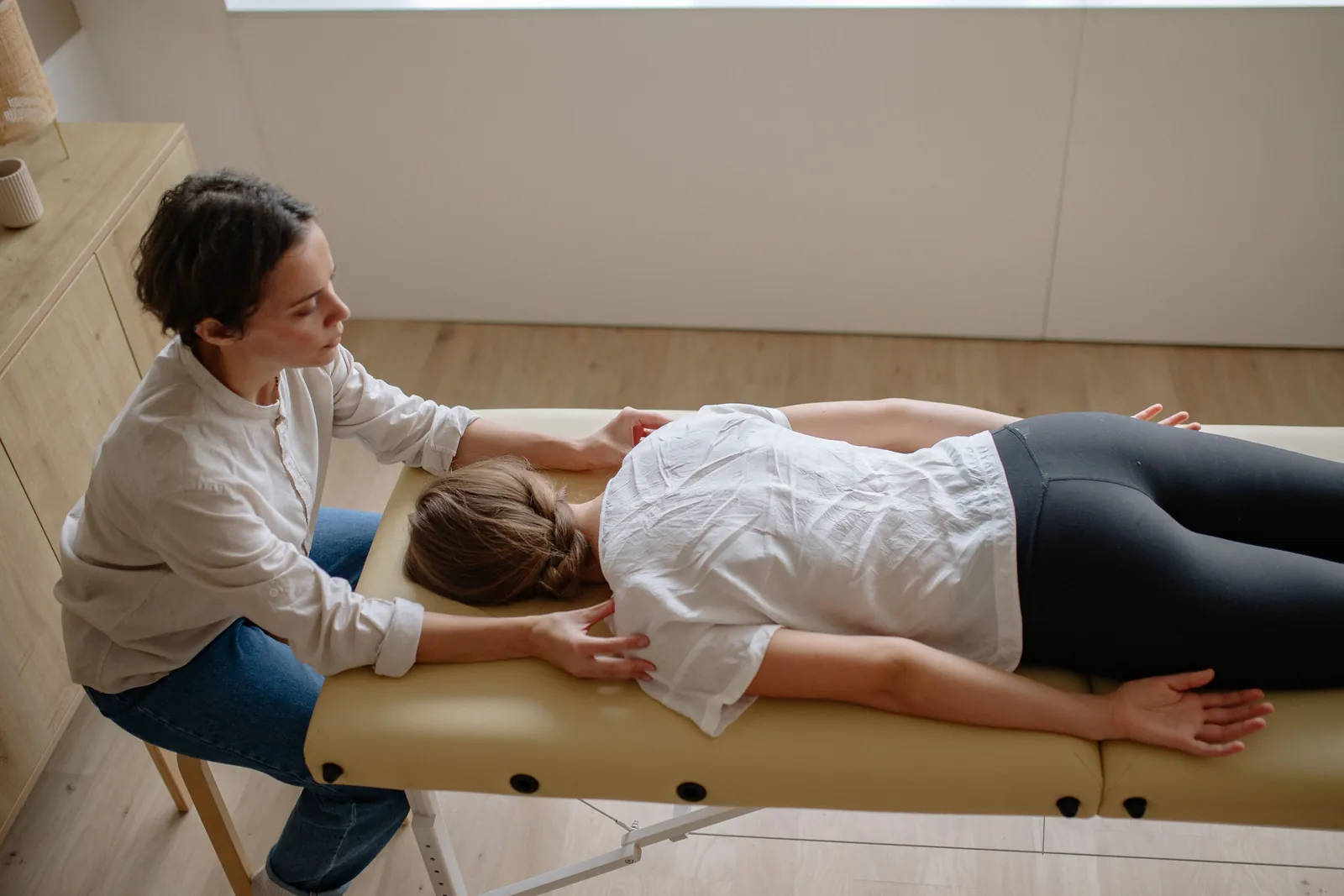
At our Roseland office, Dr. Patel evaluates you before any care starts. Your first visit includes a health history questionnaire, a consultation and a physical exam of your posture, mobility and pain. We take X-rays only if clinically needed. Then Dr. Patel explains a report of findings and a personalized care plan before we begin. If your exam points to a heart, lung or other medical cause, she will say so and refer you to a medical doctor.
Dr. Patel looks for the source of the problem, not only the symptoms. For rhomboid pain, her exam looks at your posture and how your neck, upper back and shoulders move. She has extra training in movement analysis and sports injury rehab. Depending on your exam, your plan may include hands-on adjustments, soft tissue work and Progressive Rehab® and functional exercise to build strength around your shoulder blades. Some people feel mild soreness or stiffness after an adjustment, and it usually fades within a day or so. Learn more on our shoulder and arm pain page.
If rhomboid pain keeps nagging at you, you do not have to guess what is behind it. Book a visit online or call (973) 200-2424. Ask about our new-patient visit: consultation, exam and X-rays if clinically needed. The offer is for new patients only. It does not apply to Medicare, Medicaid, other federal healthcare program patients or ACN members.