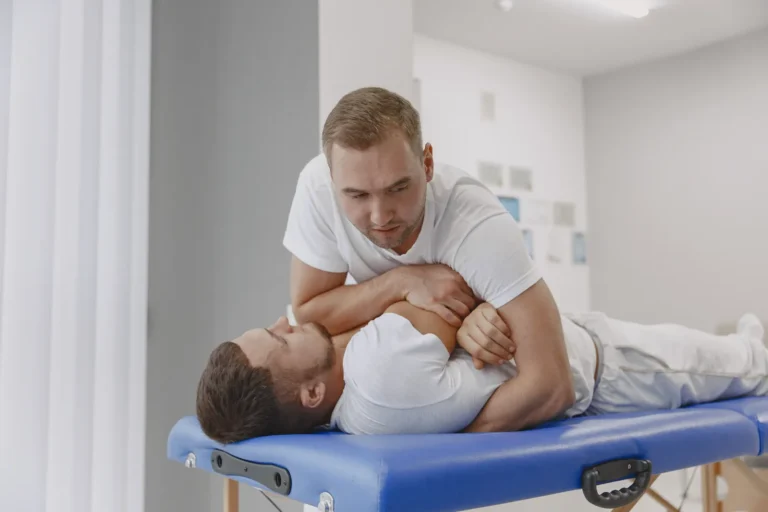
Yes, it is common to feel a little sore after chiropractor visits. The ache is usually mild and shows up where your joints and muscles got the most attention. For most people, it fades within 24 hours. Some people also notice stiffness, a mild headache or a tired feeling. Below, we explain what is normal, what helps at home and which signs need a doctor. We also share how Dr. Jenna Patel, D.C. reviews your health before any care starts.

Why you may feel sore after a chiropractor visit
During an adjustment, a chiropractor uses the hands to apply a quick, controlled force to a joint. According to Cleveland Clinic, you might feel mild soreness or minor aches afterward in the areas your chiropractor worked on. It also notes that an adjustment should not cause severe pain, so speak up right away if something hurts.
Soreness is also the side effect that researchers see most often. Along with it, they list stiffness and headache. So if your back or neck feels tender the next morning, your body is not doing anything unusual.
You may also hear a pop during an adjustment. That sound is gas leaving the joint, much like when you crack your knuckles. Our post on the chiropractor cracking sound explains what that pop really is.
What is normal after an adjustment
Here is what mild, expected soreness tends to look like. Each of these comes from Cleveland Clinic or the National Center for Complementary and Integrative Health (NCCIH):
- Mild soreness or aching in the area your chiropractor worked on
- Some stiffness in that same area
- A mild headache
- Feeling tired
Cleveland Clinic calls these side effects temporary, and NCCIH says the same. It describes a 2017 review of evidence from 250 publications. That review found that mild to moderate side effects, most often more pain or discomfort, stiffness or headache, often follow spinal manipulation. In addition, most of them go away within 24 hours.
How common is it? A 2017 research review in JAMA looked at spinal manipulation for recent low back pain. In large groups of patients, minor and temporary problems such as more pain, muscle stiffness or headache showed up 50% to 67% of the time. In other words, if you feel a bit sore, you are far from alone. None of the controlled trials in that review reported a serious side effect. However, many of them did not track side effects closely.
How long will you be sore after the chiropractor?
For most people, not long. Both NCCIH and Cleveland Clinic say this soreness usually fades within 24 hours. So an ache that starts after a morning visit is often gone or nearly gone by the next morning.
Soreness that lasts longer than a day or two is worth a phone call. It is not always a sign of trouble, but Dr. Patel will want to know. Then she can recheck the area and take it into account before your next visit. Pain that gets worse instead of better needs a call right away, to us or your doctor.
What helps at home if you are sore after seeing a chiropractor
Cleveland Clinic lists simple home care that chiropractors often suggest after an adjustment. These ideas may help the ache settle:
- Ice or heat on the tender spot, or a pain relief cream you rub on the skin
- Gentle stretches and exercises that your chiropractor shows you
- Small posture changes at your desk, when you stand and move, and in bed
- Ways to relax tight muscles and manage stress
Most of all, tell Dr. Patel how you felt at your next visit. That way, your feedback can shape the next step of your care plan. Feeling sore after a chiropractor visit is useful information, so do not keep it to yourself.
Does being sore after a chiropractor visit mean it worked?
Not exactly. Researchers count soreness as a side effect, not as proof that care is working. So try not to judge a visit by how sore you feel the next day.
What matters more is how you move and feel over the following days and weeks. For recent low back pain, the 2017 review linked spinal manipulation with modest gains in pain and function for up to six weeks. That is a real but modest benefit. For that reason, we pair hands-on care with exercise and better daily habits.
The rare risks, explained plainly
Serious problems after spinal manipulation are very rare, according to NCCIH. Still, no one has an accurate count of how often they happen. Reports include serious spine or nerve problems and strokes involving arteries in the neck.
The stroke question deserves a straight answer. Studies link a type of neck manipulation to small tears in neck arteries, called cervical artery dissection. These tears are rare, but they can lead to a stroke. Other sudden neck movements, such as whiplash, sports or violent coughing, may also raise the risk. Experts still disagree about whether manipulation actually causes these tears. Even so, we think you should know about it before any neck adjustment.
NCCIH also notes that the chance of a serious side effect may be higher in people with certain health problems. That is why a careful history matters. Tell us about your health conditions and medicines, even if they seem unrelated.
Soreness is not unique to adjustments, either. Some trials of spinal decompression also reported temporary increases in pain or soreness. Our post on spinal decompression for herniated disc pain covers what a session feels like and who should not have it.
When to see a doctor or go to the ER
Normal soreness is mild, stays in the area that got care and slowly eases. Some symptoms are different and need medical care right away. MedlinePlus, from the National Library of Medicine, lists these danger signs. Call 911 or go to the ER if you have:
- A sudden, severe headache that feels like the worst of your life
- Slurred speech, a change in vision, trouble moving an arm or leg, loss of balance or confusion
- Headache with fever, a stiff neck, nausea and vomiting
- Loss of bladder or bowel control
- Numbness in the groin, buttocks or inner thighs
Also contact a doctor right away if you notice:
- New numbness, tingling or weakness in an arm or leg
- Pain that keeps getting worse instead of easing
- Fever along with new back pain
Tingling that runs down one arm is not routine soreness. Our post on a pinched nerve in the neck explains those signs and what to do next. This post is for education only. It is not a diagnosis.
How we approach it at HealthSource of Roseland
We would rather prevent surprises than explain them later. So before any adjustment, Dr. Patel starts with an evaluation. Your first visit includes a health history questionnaire and a consultation with her. Next comes a physical exam of your posture, mobility and pain. We take X-rays only if clinically needed.
After that, Dr. Patel explains a report of findings and a personalized care plan before any care starts. You will know what she suggests and why. Ask her anything, including what soreness to expect. She speaks English, Hindi and Gujarati, so you can ask in the language that feels easiest.
Dr. Patel looks for the source of the problem, not only the symptoms. Care may include hands-on adjustments, soft tissue work, exercise rehab, and nutrition and lifestyle guidance. She also has extra training in sports injury rehab, movement analysis and instrument-assisted soft tissue work. Our chiropractic care page explains more about adjustments here in Roseland.
Cost is a fair worry, too. We accept most major insurance plans, and we recommend calling to verify yours. Medicare covers chiropractic manipulation for subluxation and not other services such as decompression, so call your plan and us to check. If decompression ever comes up, our post on spinal decompression insurance coverage lists the questions to ask.
A calm next step
If worry about feeling sore after a chiropractor adjusts you has kept you from getting care, talk with us first. Our office is at 12 Eisenhower Parkway in Roseland. Book a visit online or call (973) 200-2424. Ask about our new-patient visit: consultation, exam and X-rays if clinically needed. The offer is for new patients only. It does not apply to Medicare, Medicaid, other federal healthcare program patients or ACN members.