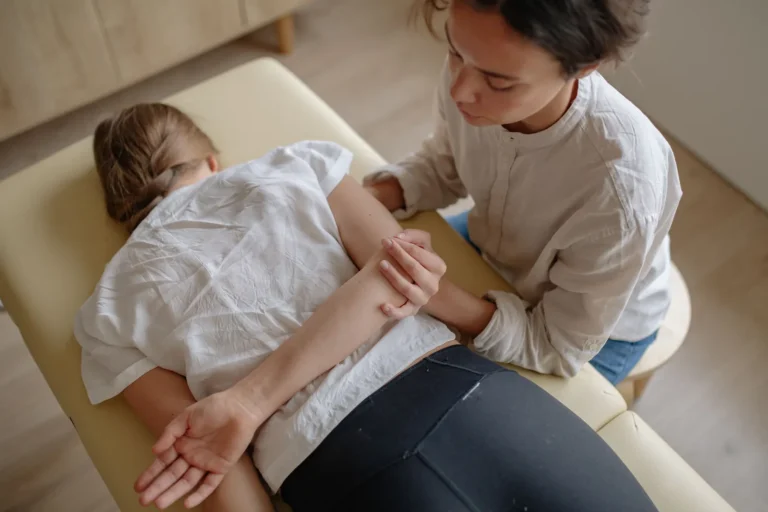
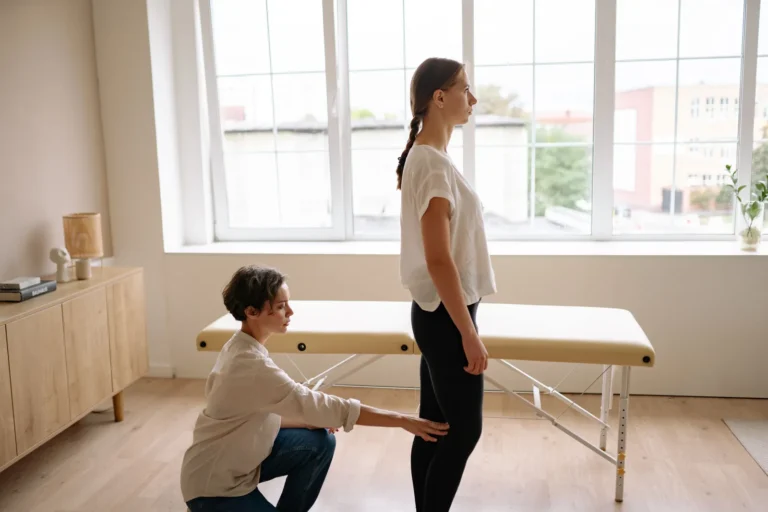
That chiropractor cracking sound is gas leaving a joint, not your bones breaking or grinding. According to Cleveland Clinic, gases such as oxygen, nitrogen and carbon dioxide collect in small spaces inside your joints. A quick adjustment can release that gas, which you may hear and feel as a pop. It sounds much like cracking your knuckles. So the sound can be startling, but nothing is snapping. Below, we explain what the pop means, what is normal afterward and when to call a doctor.
What is the chiropractor cracking sound, exactly?
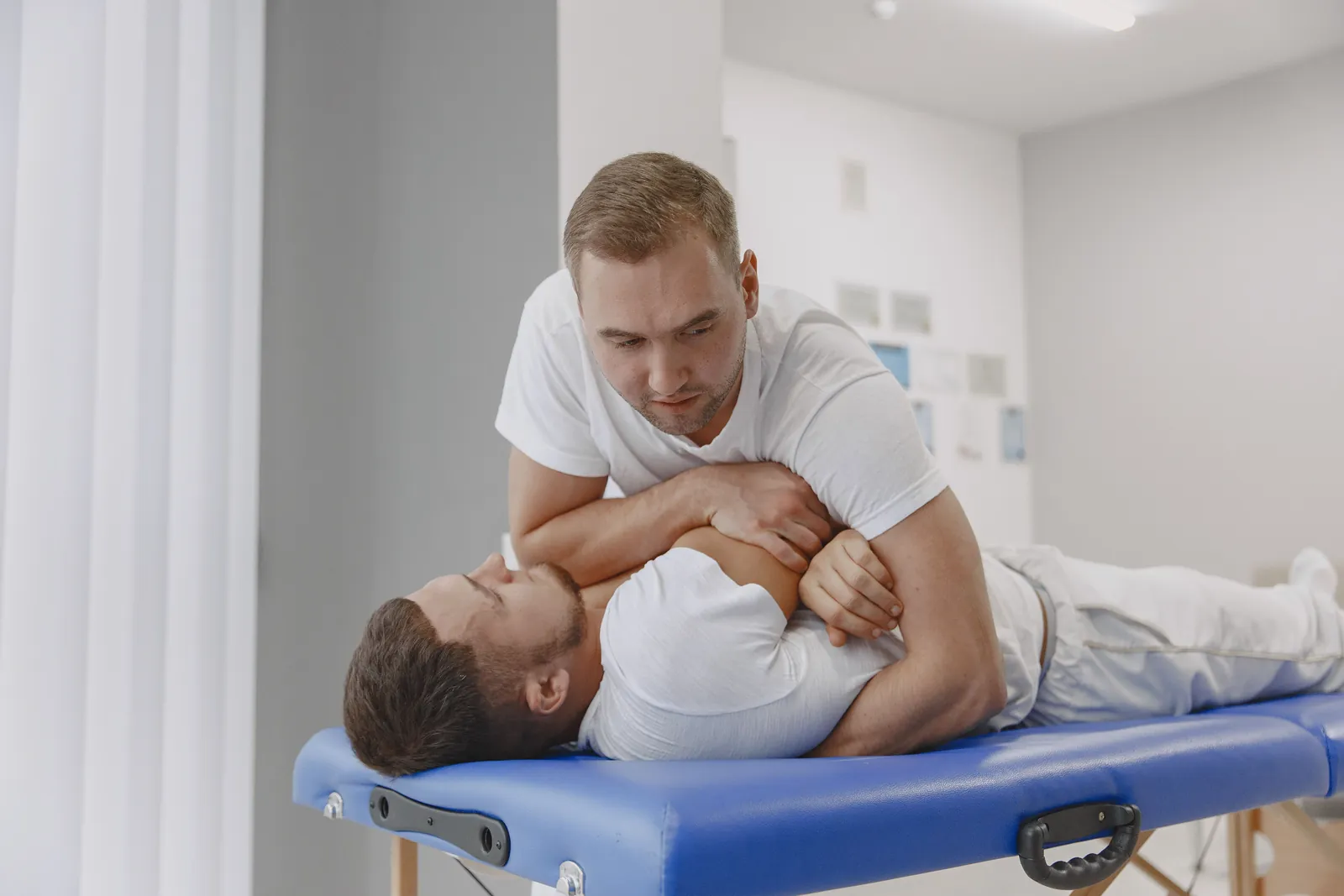
Another name for an adjustment is spinal manipulation. NCCIH describes it as a controlled thrust to a joint of your spine, using the hands or a device. The thrust moves the joint a little more than it would move on its own. That quick motion can release gas from inside the joint. The release even has a name: cavitation.
In other words, the chiropractor cracking sound comes from inside the joint. It is not bone rubbing on bone, and it is not a bone breaking. Cleveland Clinic notes that the release may be easier to notice during an adjustment. Still, it is much like a knuckle pop.
Is it a bone popping back into place?
Many people picture a bone clicking back where it belongs. That picture is easy to understand, yet the noise itself is the gas. An adjustment aims to ease pain and help a joint move better. The pop is a side effect of that quick movement. So the sound alone does not prove that something was “out” and is now “in.”
Does the chiropractor cracking sound mean the adjustment worked?
Not necessarily. The pop tells you that gas left a joint, and that is about all it tells you. Cleveland Clinic says you may hear or feel it, so a quiet adjustment can be normal too. A louder pop is not a better visit, and a silent one does not mean the visit failed.
What matters more is how you move and feel over the days and weeks that follow. For that reason, Dr. Jenna Patel, D.C., rechecks your posture, mobility and pain instead of counting pops. If you are not improving, we change course.
Does an adjustment hurt?
The noise often sounds worse than it feels. Cleveland Clinic says an adjustment brings little to no pain during the treatment. It also notes that the pop may sound painful even though it usually does not feel that way.
Afterward, some people feel sore, stiff or tired, and some get a mild headache. NCCIH reports that side effects like these often happen and that most go away within 24 hours. For more detail, read our guide on feeling sore after an adjustment.
Is the chiropractor cracking sound safe?
The sound itself is just gas leaving a joint. The real risks of an adjustment are separate from the noise, and you deserve to hear them plainly. NCCIH notes that serious side effects are very rare. However, they may be more likely in people with health problems that raise the risk of injury. That is why you should tell your chiropractor about your health history and any medicines you take.
Neck adjustments need one more honest note. Neck manipulation has a rare statistical link with a small tear in a neck artery, called a cervical artery dissection. These tears can lead to a stroke. Even so, research has not shown that the adjustment causes them. NCCIH adds that sudden neck movements from sports, whiplash or hard coughing may also raise the risk. Still, you should know about it before anyone works on your neck.
If the chiropractor cracking sound makes you nervous
Plenty of people tense up the first time they hear it. That is normal, and you stay in charge of your care. Here are a few things you can do:
- Ask Dr. Patel to explain each step before she starts.
- Tell her about past injuries, surgeries, health conditions and medicines.
- Speak up if you want to pause or stop at any point.
- Let her know if you would rather avoid neck adjustments.
- Questions are always welcome, before, during and after care.
If you would rather skip the pop, say so. Adjustments are only one part of Dr. Patel’s approach. She also uses soft tissue work and exercise rehab, so your plan can fit what you are comfortable with.
Cracking your own back or neck at home
Many people twist or stretch until their own neck or back pops. The research we rely on says little about cracking your own joints, so we will not guess at the effects. Here is what we can share. Cleveland Clinic warns that the risk of side effects goes up when adjustments come from someone without the training and license to do them. So please skip the friend who offers to crack your back.
Also, if you keep wanting to crack the same stiff spot, mention it at a visit. Dr. Patel can check how that area moves and look for the source of the problem, not only the symptom.
When to see a doctor or go to the ER
A pop with no other symptoms is not an emergency. Some symptoms are, though. Cleveland Clinic says to contact your healthcare provider right away if you notice weakness, numbness or worsening pain after an adjustment.
Call 911 or go to the ER right away if you have:
- A sudden, severe headache, or the worst headache of your life
- Headache with weakness, confusion, or changes in vision or speech
- Loss of bladder or bowel control
- Numbness in the groin, buttocks or inner thighs
In addition, MedlinePlus lists back pain warning signs that need a call to a medical provider right away:
- Leg weakness or trouble walking
- Fever along with back pain
- A history of cancer, or weight loss you cannot explain
- Back pain after a hard fall or blow
- Pain that wakes you up at night
Not sure who to call first? Our guide on choosing between a chiropractor and a doctor can help you decide.
How we approach it at HealthSource of Roseland
At our Roseland office, Dr. Patel evaluates you before any adjustment. First, you fill out a health history questionnaire and talk with her about your pain. Next, she does a physical exam that checks your posture, mobility and pain. We take X-rays on site, but only if clinically needed.
Then she explains what she found and walks you through a personalized care plan before any care starts. Her approach includes hands-on adjustments, soft tissue work, exercise rehab, and nutrition and lifestyle guidance. She also has extra training in movement analysis and instrument-assisted soft tissue work. As a result, the pop is only one small part of what we do. Care may help, although results vary from person to person. Dr. Patel rechecks your progress as you go, and if you are not improving, we change course.
Dr. Patel speaks English, Hindi and Gujarati. You can learn more about our chiropractic care, or read our honest answer on how often to see a chiropractor.
A calm next step
If the chiropractor cracking sound has kept you from booking, start with a conversation. At your first visit, you get a short tour, meet Dr. Patel and hear her plan before any care starts. Book a visit online or call (973) 200-2424. Ask about our new-patient visit: consultation, exam and X-rays if clinically needed. Our new-patient offer is for new patients only. It does not apply to Medicare, Medicaid, other federal healthcare program patients or ACN members.
This article is for education only and is not a diagnosis. If you have any of the warning signs above, please see a medical doctor or go to the ER.