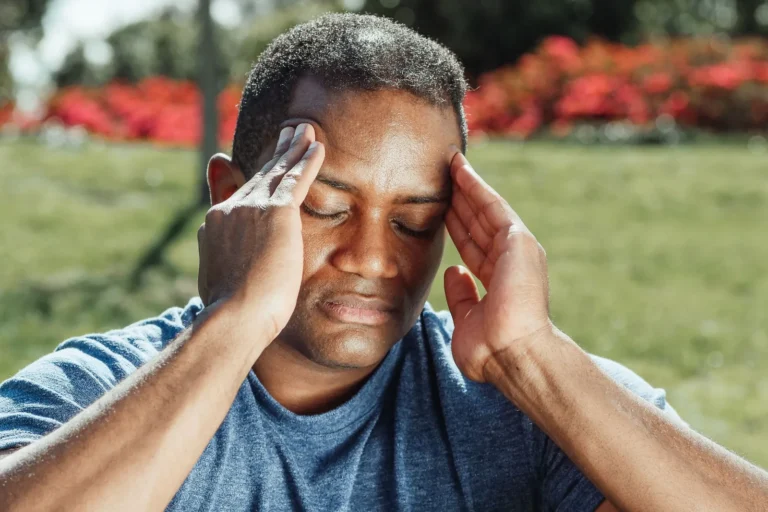
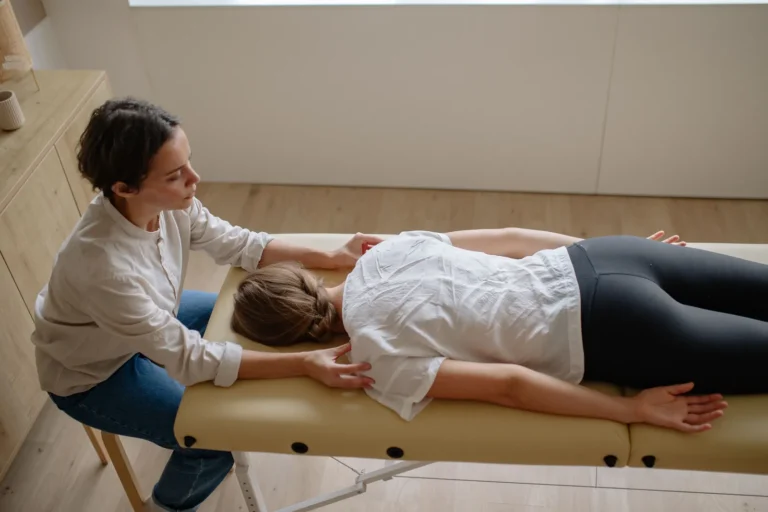
A headache at the base of your skull often comes from tight muscles or a problem in your upper neck. Common triggers include stress, poor sleep and long hours bent over a screen. Simple daily changes may help many of these headaches. Still, a sudden, severe headache, or one with weakness, confusion or a stiff neck and fever, needs emergency care. Below, we explain the likely causes, how to tell them apart, what may help at home and when to worry.

What causes a headache at the base of the skull?
The back of your head sits right on top of your neck. So muscles, joints and nerves in the upper neck can all send pain up into the head. In fact, the brain itself does not feel pain. Instead, headaches often happen when pain-sensitive nerve endings react to triggers. As a result, pain can feel deep in the head even when the problem is somewhere else.
That is why a headache at the base of the skull often traces back to the neck. Here are the main causes to know about, from the most common to the rare.
Tension-type headache: the most common cause
Tension-type headache is the most common kind of headache. The National Institute of Neurological Disorders and Stroke explains that emotional stress is an important trigger, because it can make muscles in the neck, face, scalp and jaw contract. Other triggers include poor sleep, alcohol and not drinking enough water. Postures that strain the head or neck count too, for example reading, working on a computer or staring at a phone.
The pain is usually mild to moderate. It feels like steady pressure or a belt tightening around the head, and most people feel it on both sides. Many notice it most in the scalp, temples or back of the neck. Unlike migraine, it does not bring an aura, nausea or vomiting. It also does not get worse with everyday activity, such as walking or climbing stairs.
If you sit at a desk all day, this pattern may sound familiar. Tight neck and shoulder muscles often come along with it. When that ache spreads lower, our posts on pain between the shoulder blades and rhomboid pain can help you sort it out.
When a headache at the base of the skull starts in your neck
Doctors call head pain that comes from a problem in the neck a cervicogenic headache. According to Cleveland Clinic, this type is typically felt on one side of the head. It may start at the bottom of the head and move up one side. Or it may begin at the back of the head and spread toward the front, behind the eye.
Other clues include a stiff neck that does not turn as far as it used to. The headache may also get worse when you move your neck. Possible causes include arthritis, a pinched nerve, a slipped disc, sprained neck muscles and whiplash. In some cases, a fracture or a tumor is behind it, which is one reason a careful exam matters.
This kind of headache can look like a migraine, since both may hurt on one side. However, it usually lacks migraine features such as sensitivity to light or sound, nausea and vomiting.
Sharp, shooting pain: occipital neuralgia
Occipital neuralgia is a rare nerve condition that affects the occipital nerves. NINDS describes the pain as shooting, shocking, throbbing, burning or aching. Its most common sign is pain that begins in the neck and then spreads upward. If your pain feels like a jolt rather than a dull ache, tell your provider. Nerve pain like this needs a proper medical diagnosis.
Is it a migraine or something else?
Tension headache and migraine are common look-alikes, and some people have both. Our guide to tension headache versus migraine walks through the differences in detail. For now, here are some quick clues:
- Steady pressure on both sides, with no nausea, often points to a tension-type headache.
- One-sided pain with a stiff neck, made worse by moving your head, may point to the neck.
- Throbbing pain with nausea, or with sensitivity to light and sound, sounds more like migraine.
- Shooting or shocking pain that starts in the neck and spreads up may be nerve pain.
These clues are only a starting point. They cannot replace an exam, and a headache can have more than one cause.
What may ease a headache at the base of the skull at home
For everyday tension and neck headaches, a few simple habits may help. These ideas come from NINDS, MedlinePlus and Cleveland Clinic:
- Take breaks from screens and reading, and gently move your neck and shoulders during long desk sessions.
- Sit tall and check your posture, since slouching strains the neck.
- Try a supportive pillow or a different sleep position if you wake up stiff.
- Ice or a warm pack on your neck may ease the ache.
- Drink enough water and aim for regular, restful sleep.
- Manage stress with relaxation, meditation or regular exercise.
- Keep a short headache diary to spot your own triggers.
Over-the-counter pain relievers can help now and then. However, NINDS warns that regular overuse of headache medicines can actually make headaches worse. So if you reach for them often, talk with your doctor or pharmacist.
Can a chiropractor help a headache at the base of the skull?
It depends on the cause, and the research has real limits. NCCIH reports that spinal manipulation may reduce how often cervicogenic headaches happen and how strong they feel. On the other hand, the evidence for tension headache and migraine is limited, and studies have mixed results.
Like any care, adjustments carry some risk. Brief soreness, stiffness, tiredness or a mild headache are common, and they usually fade within a day or so. Neck manipulation also has a rare statistical link with a tear in a neck artery, which can lead to a stroke. Research has not shown that the adjustment causes these tears. Still, you deserve to know, so ask questions before any care starts. At our office, Dr. Jenna Patel, D.C., also uses soft tissue work and exercise rehab, so adjustments are only one option.
When to see a doctor or go to the ER
Not every headache needs a doctor. Even so, a headache can sometimes signal a serious health problem. Call 911 or go to the ER right away if you have:
- Sudden, severe pain, or the worst headache of your life
- Fever along with a stiff neck
- Weakness, numbness, confusion, or changes in your vision or speech
- Any headache after a head injury or a car crash
- Seizures or trouble breathing
In addition, call a medical doctor right away for any of these warning signs from NINDS and MedlinePlus:
- Headaches that change pattern or get worse over days or weeks
- New headaches after age 50
- Pain that wakes you up or lasts more than a few days
- A new headache if you have a history of cancer or a weakened immune system
How we approach it at HealthSource of Roseland
At HealthSource of Roseland, Dr. Patel starts with a careful evaluation. First, you fill out a health history and talk with her about when your headaches began and what sets them off. Next, she does a physical exam that checks your posture, mobility and pain. We take X-rays on site only when they are clinically needed.
Imaging has limits, too. Cleveland Clinic notes that a normal scan does not rule out a neck cause, because scans show structure, not how your neck moves. So a hands-on exam of how your neck moves and feels is a key part of the visit.
Then Dr. Patel explains what she found and walks you through a care plan before any care starts. Depending on the cause, your plan may include hands-on adjustments, soft tissue work and exercise rehab. She also offers nutrition and lifestyle guidance, including help with sleep. Care may help ease pain, although results vary from person to person. Dr. Patel rechecks your progress as you go, and if you are not improving, we change course.
She speaks English, Hindi and Gujarati. You can also read about our headache and migraine care and our approach to neck pain relief in Roseland.
A calm next step
If a headache at the base of your skull keeps coming back, you do not have to guess at the cause. Book a visit online or call (973) 200-2424. Ask about our new-patient visit: consultation, exam and X-rays if clinically needed. Our new-patient offer is for new patients only. It does not apply to Medicare, Medicaid, other federal healthcare program patients or ACN members.
This article is for education only and is not a diagnosis. If you have any of the warning signs above, please see a medical doctor or go to the ER.