The spinal decompression side effects reported in studies include soreness and a temporary rise in the pain you already have. Serious problems appear to be uncommon, but they are not impossible. This care is also not right for everyone, and many studies did a poor job of tracking side effects. So below, we explain what you might feel, who should avoid it and which warning signs need a doctor.

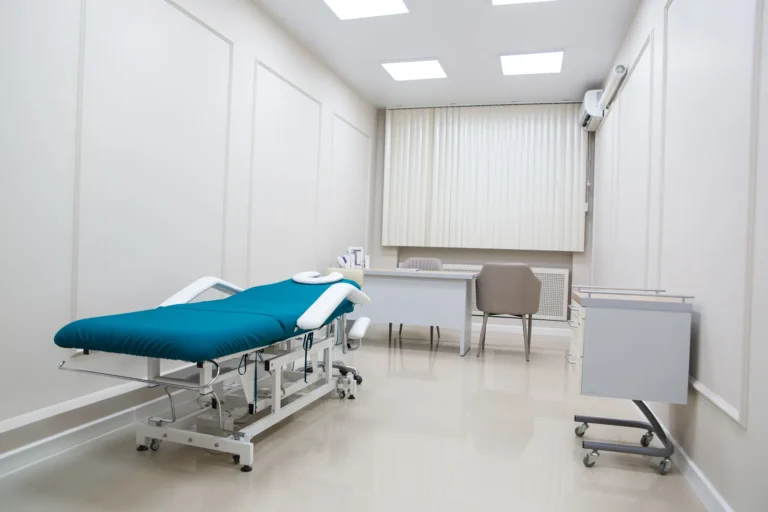
First, a quick picture of the care itself. Spinal decompression is a form of motorized traction. You stay fully clothed and lie on a computer controlled table. Straps go around your pelvis and trunk, and the table gently pulls and relaxes in cycles. It is non-surgical, so there are no needles or incisions. Surgical decompression is a different thing, because a surgeon removes bone or disc tissue.
What are the most common spinal decompression side effects?
Trials that tracked spinal decompression side effects reported things like a temporary increase in pain or soreness. In plain terms, your back might feel sore after a session. Your usual pain might also flare for a short time. Neither is a sure thing, and neither is a sign that the care is working. Tell us about it, because it helps Dr. Jenna Patel, D.C. adjust your plan.
Here is a simple way to sort what you feel after a session:
- Can happen and should pass: mild soreness, or a brief flare of your normal pain.
- Worth a call to us: pain that keeps getting worse instead of easing.
- Not normal at all: new numbness, tingling or weakness in a leg, or any change in bladder or bowel control. In that case, stop the care and get medical help right away.
What the research says about serious problems
Because decompression is a type of traction, traction research gives a useful picture. A Cochrane review of traction for low back pain looked at 32 trials. Only seven of them reported side effects. These included increased pain, worse nerve signs and, for some people, later surgery. Four trials reported no side effects at all, and the rest did not mention them.
So what does that mean for you? Serious spinal decompression side effects appear to be uncommon. However, nobody can give you an exact risk, since so many trials never tracked them. We would rather tell you that plainly than pretend the risk is zero. That uncertainty is also why your exam and screening matter so much.
You may also see tables described as FDA cleared. The FDA regulates these tables as Class II powered traction devices, and they typically reach the market through a 510(k) clearance. That means the FDA found a table substantially equivalent to an earlier device. It is not FDA approval, and it does not prove a table works better than other care. It does not mean the device is free of side effects, either.
Who should avoid spinal decompression
Some people should not have decompression at all. WebMD’s overview of decompression therapy lists these reasons it is not a good fit:
- Pregnancy
- A fracture
- Advanced osteoporosis, which means thin, fragile bones
- A tumor
- Metal implants or hardware in the spine
- An abdominal aortic aneurysm, a weak, bulging spot in the body’s main artery
Dr. Patel also screens for recent spinal surgery, infection and instability in the spine. That is one reason you get a health history and exam before any table care. If decompression is not a good fit for you, she will tell you and talk through other options. Some problems need a medical doctor instead, and we will say so.
How we watch for spinal decompression side effects
Good screening comes first, but it is only the start. Here is how we try to catch problems early:
- Your health history and exam come before any table care.
- We take X-rays only if clinically needed.
- During a session, tell us right away if anything feels wrong.
- Along the way, Dr. Patel rechecks your progress.
- If you are not improving, we change course.
In the trials that found a benefit, decompression was added to an exercise and rehab plan, not used alone. Dr. Patel’s approach blends hands-on adjustments, soft tissue work, exercise rehab and lifestyle guidance. The right mix depends on your exam and your goals. For a closer look at the table and who it may suit, see our spinal decompression service page.
Questions to ask before you start
A good provider welcomes questions. Before you agree to a plan, it is fair to ask:
- What should I expect to feel during and after a session?
- Which signs mean I should call you or see a doctor?
- How will we measure whether this is helping?
- When will you recheck my progress, and what happens if I am not better?
- Does my insurance cover this, or will I pay for it myself?
Plans vary from person to person. Our post on how many sessions people commonly need walks through the ranges you may hear about. Coverage varies too. Medicare covers chiropractic manipulation for subluxation and not other services such as decompression, so call your plan and us to check.
Are the benefits worth the spinal decompression side effects?
It depends on your problem and your goals. Decompression is non-surgical, you stay clothed, and the table pulls gently. One 2022 randomized trial looked at people with leg pain from a pinched nerve in the low back. Everyone did routine rehab, and half also had decompression. After four weeks, the decompression group had less pain and disability than the rehab only group. That is a short term result from one small trial. So decompression may ease leg pain linked to a disc for some people, as part of a plan, but it is not a promise.
The bigger picture is less clear, though. Larger reviews show mixed results, and some guidelines do not recommend traction for general low back pain. In the only trial that compared a decompression system with a fake version, both groups improved about the same. Also, most sciatica and herniated disc episodes improve with time and conservative care. For worn discs, traction may help for a while, but it is not a long term answer. We cover both in decompression for sciatica and decompression for degenerative disc.
When to see a doctor or go to the ER
Go to the ER right away if you lose bladder or bowel control, or feel numb in the groin, buttocks or inner thighs. These can be signs of cauda equina syndrome, which needs emergency care. See a medical doctor soon if you have:
- Leg weakness, or a foot that drags when you walk
- Fever along with back pain
- A history of cancer, or weight loss you cannot explain
- Pain that started after a fall
- Back pain that wakes you up at night
The same rules apply during a course of decompression. If new numbness, tingling or weakness shows up after a session, stop decompression and see a doctor. This information is educational and is not a diagnosis.
How we approach it at HealthSource of Roseland
At our Roseland office, Dr. Patel evaluates you before any table care. She is a Doctor of Chiropractic, licensed in New Jersey and a member of the American Chiropractic Association. Your first visit includes a welcome, a health history, a consultation and a physical exam. Then she explains a report of findings and a personalized care plan before anything starts.
Many people worry that a clinic will push them into a long plan. You are welcome to ask questions before you agree to anything. Dr. Patel rechecks your progress, and if you are not improving, we change course. She speaks English, Hindi and Gujarati, so you can ask in the language you prefer.
If you are weighing decompression and want a straight answer about your own back, book a visit online or call (973) 200-2424. Ask about our new-patient visit: consultation, exam and X-rays if clinically needed. The offer is for new patients only. It does not apply to Medicare, Medicaid, other federal healthcare program patients or ACN members.