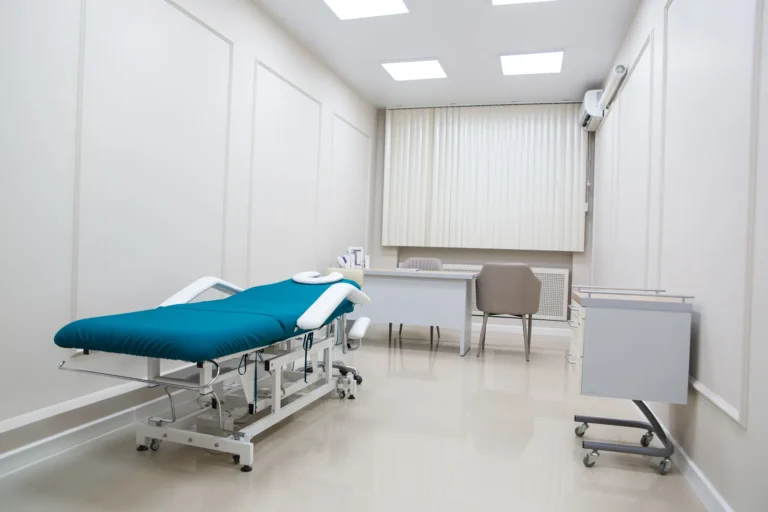
Spinal decompression versus surgery is not a contest with one winner, because the two treatments do very different jobs. Non-surgical decompression is a gentle table treatment you get while fully clothed, and it may ease disc-related leg pain for some people as part of a wider plan. Surgical decompression removes bone or disc tissue that presses on a nerve, and a spine surgeon decides when that step is needed. For most people, though, sciatica and herniated disc pain improve with time and conservative care. That is why a careful exam, not an ad or a scare, is the right place to start.
Spinal decompression versus surgery: how each one works
The names sound alike, but the treatments are not close cousins. Non-surgical spinal decompression uses a motorized, computer-controlled table. You stay fully clothed while belts go around your pelvis and trunk. Then the table gently pulls and relaxes in cycles. The goal is to ease pressure on your discs and nerve roots, although how it works is still a theory.
Surgical decompression is an operation. According to Cleveland Clinic’s overview of decompression, a surgeon removes bone or disc tissue to give a pinched nerve more room. Depending on the problem, the surgeon may take out part of a disc or some bone that crowds the nerve. In short, one option uses gentle pulling, while the other takes tissue away.
- Decompression on a table: done clothed, with no incisions, over a series of visits.
- Surgery: done by a spine surgeon, who removes tissue that presses on a nerve.
- Both aim to take pressure off irritated nerves, but they get there in very different ways.
Why most people start with conservative care
Here is the reassuring part. Most sciatica and herniated disc episodes improve with time and conservative, non-surgical care, as Cleveland Clinic explains in its herniated disk guide. So for many people, the real question is not which procedure to pick today. Instead, it is which gentle steps to try first, and how long to give them.
Decompression may be one of those steps when your leg pain comes from a disc. We explain more in our guide to decompression for herniated disc pain. Disc wear is another common reason people ask. Our post on decompression for a degenerative disc covers what traction can and cannot do there, since it may help only for a while.
What the research shows about decompression
The evidence is promising in places and mixed overall, and you deserve both halves. In a 2022 randomized trial, Choi and colleagues studied people with a herniated disc in the low back. One group had ten decompression sessions over eight weeks, and the other had the same table setup with no pulling force. At two months, the decompression group reported less leg pain. Another trial also found better pain and disability scores when decompression was added to routine rehab than with rehab alone. Both were short-term results, not proof of lasting change.
However, larger reviews are mixed, and some guidelines do not recommend traction for general low back pain. A sham is a fake version of a treatment that looks real. A sham-controlled trial of one decompression system found that both groups improved, with no difference between them. Plain motorized traction also did about as well as decompression in one trial, which we unpack in spinal decompression versus traction.
Does research compare spinal decompression versus surgery?
Not in the studies we rely on here. Those trials compared decompression with rehab alone, with sham care or with plain traction, not with an operation. So we will not tell you that decompression matches surgery, because this research does not test it. What it does suggest is narrower. For some people with disc-related leg pain, decompression may help in the short term as part of an exercise plan.
When surgery belongs in the conversation
Surgery is a real option, and sometimes it is the right one. A medical doctor or spine surgeon should check you soon if you have growing leg weakness or foot drop. Foot drop means trouble lifting the front of your foot, so your toes catch or drag. It also makes sense to ask about a surgical opinion if conservative care has not relieved your symptoms and pain still limits your life.
Getting that opinion does not commit you to an operation. Instead, it gives you facts to decide with. If anything in your exam with Dr. Jenna Patel, D.C. points toward a surgeon, we will tell you plainly. Also, if you have already had back surgery, tell Dr. Patel, because past spine surgery is part of the screening below.
Who should not have spinal decompression
Decompression is not right for everyone, so screening comes first. You are not a candidate if any of these apply to you:
- Pregnancy.
- A fracture.
- Any tumor.
- An abdominal aortic aneurysm.
- Advanced osteoporosis.
- Metal implants or hardware in the spine.
Dr. Patel also screens for recent spinal surgery, infection and instability. If any of these apply, we will say so clearly and point you toward medical care instead.
Side effects and honest limits
Sessions are meant to feel gentle. Even so, some trials reported temporary increased pain or soreness afterward. Serious problems are uncommon, although a Cochrane review noted that many trials did not report side effects well. For a worn disc, any relief may be temporary, and no one can promise that decompression will keep you out of surgery.
You may also see ads that call a decompression table FDA cleared. That label means the device is similar to an earlier one. It is not FDA approval, and it is not proof that the table beats other care.
Questions to ask about spinal decompression versus surgery
Bring these questions to each visit, and write down the answers.
- What is causing my pain, and how sure are you?
- Do I have any red flags that change the plan?
- How will we measure progress, and when will we recheck?
- If I wait, what happens, and what are the risks of each option?
- Which parts does my insurance cover?
On cost, Medicare covers chiropractic manipulation for subluxation and not other services such as decompression, so call your plan and us to check. For surgery, ask the surgeon’s office about recovery time and costs before you decide.
When to see a doctor or go to the ER
Some symptoms need medical care first, not decompression and not a wait and see plan. Go to the ER now if you lose bladder or bowel control, or if you feel numbness in the groin, buttocks or inner thighs. See a medical doctor promptly for any of these:
- Leg weakness or foot drop.
- Fever along with back pain.
- A history of cancer or unexplained weight loss.
- Pain that started after a fall.
- Back pain that wakes you at night.
How we approach it at HealthSource of Roseland
At our Roseland office on Eisenhower Parkway, Dr. Patel evaluates you before any care starts. She is a Doctor of Chiropractic, licensed in New Jersey, and a member of the American Chiropractic Association. Your first visit includes a health history, a consultation and a physical exam of your posture, mobility and pain. We take X-rays only if they are clinically needed. Then Dr. Patel explains a report of findings and a care plan, so you can decide without pressure.
If spinal decompression fits your case, it becomes one part of a plan that can include exercise rehab, adjustments and soft tissue work. Dr. Patel sets that plan after your exam and rechecks your progress. If you are not improving, we change course and tell you honestly if it is time to see a medical doctor.
When you feel ready, a calm conversation is a good next step. You can book a visit online or call (973) 200-2424. Ask about our new-patient visit: consultation, exam and X-rays if clinically needed. The new-patient offer is for new patients only and does not apply to Medicare, Medicaid, other federal healthcare program patients or ACN members.